
 Families
 New Families
 Alumni


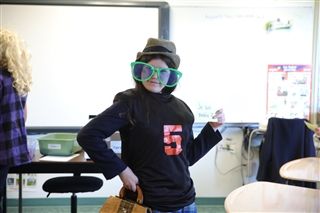
In Ms. Hall’s Grade 7 French class, students have been practising their vocab with festive fashion shows. Ms. Hall created the game, which she dubbed “le défilé de mode,” as a way to get kids excited about learning adjective agreement and placement. The rules are simple: first, students dress up in costumes that Ms. Hall keeps in her classroom. They get as creative as possible, then parade their outfits for the rest of the class to see. The other students then choose a model and write two sentences with at least two adjectives describing their outfit. As soon as they think they have two correct sentences, they put up their hand. If the sentences aren’t quite right, they have the opportunity to correct them. If they succeed, the model they described sits down, and the student with the correct sentences gets a turn to create a unique outfit for their classmates to describe. As students advance, Ms. Hall increases the difficulty of the game to make sure they’re still being challenged. “Everyone loves dressing up,” Ms. Hall says. “And using the vocabulary they know for this kind of fun, challenging activity increases the likelihood that they’ll remember it in the future.”
Related Posts
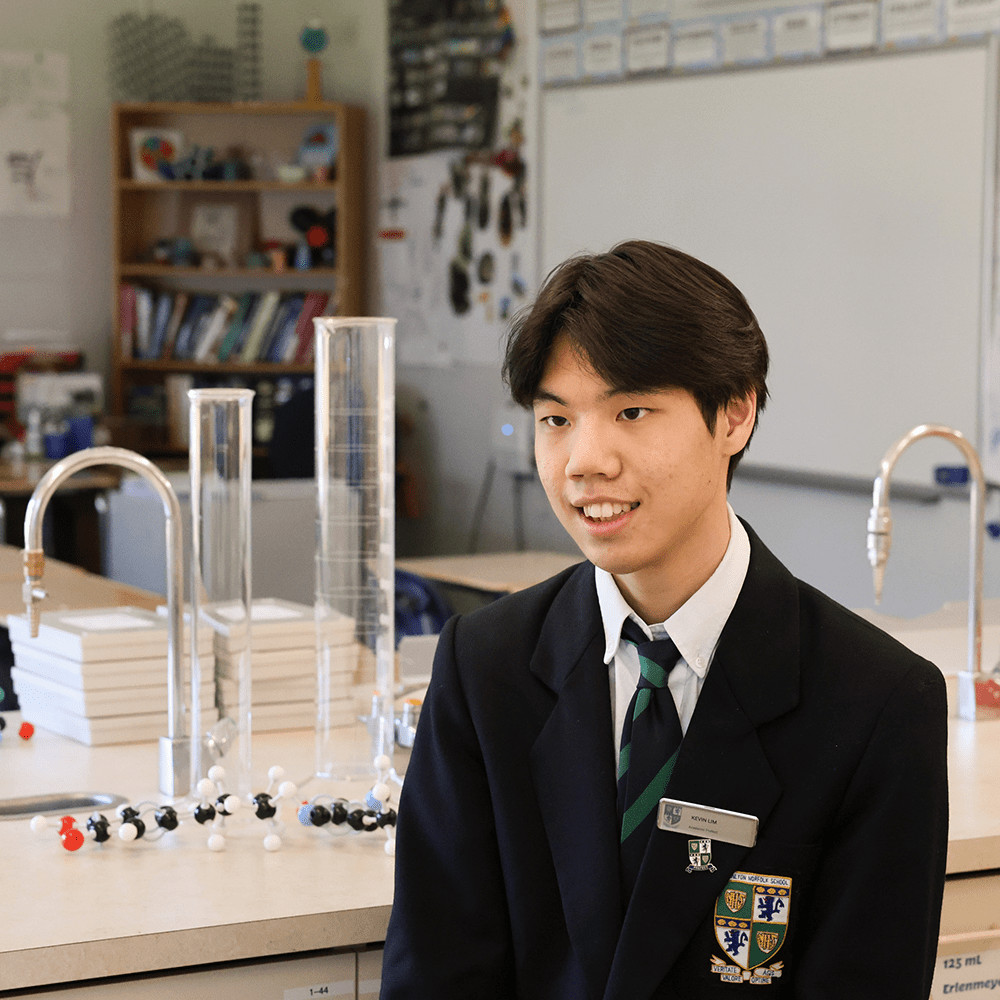
Grade 12 GNS Student Accepted to Harvard Looks to a Future in Healthcare
As graduation season approaches, one student at GNS is preparing for an exciting next chapter. Kevin Lim is set...
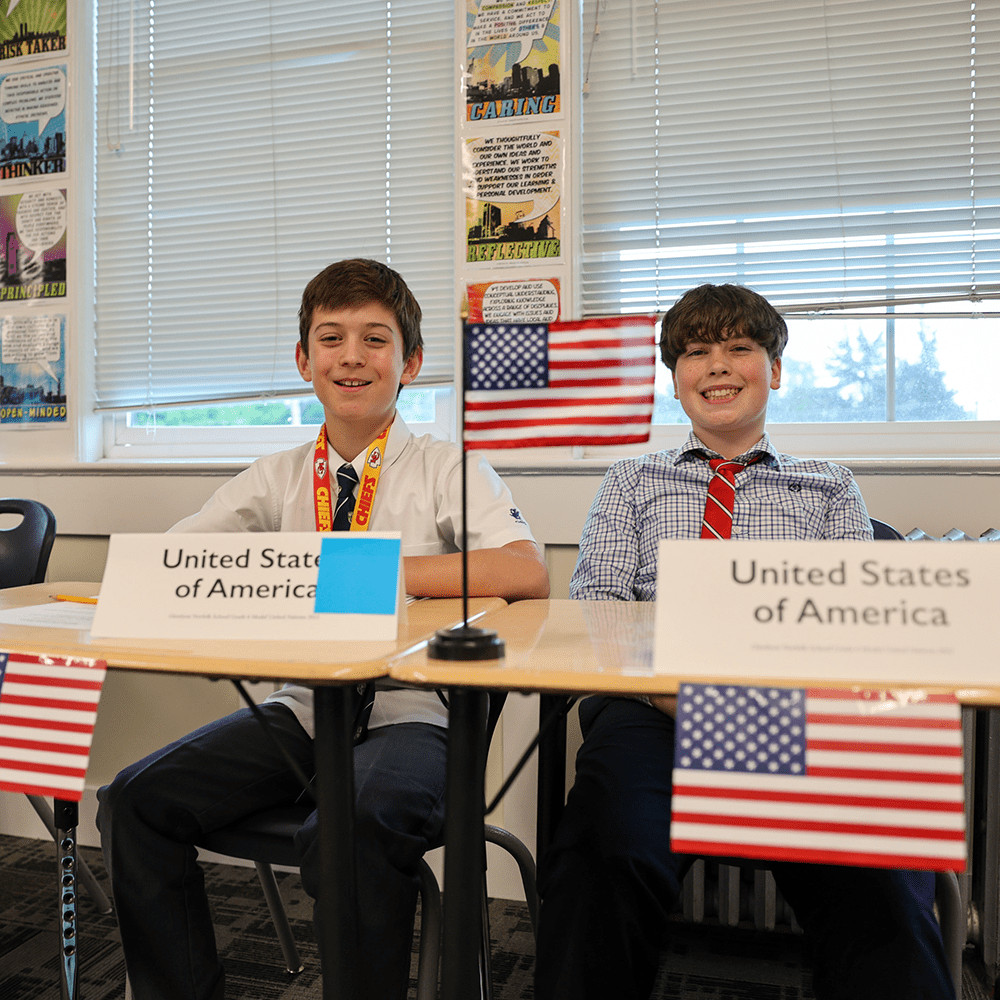
Diplomacy in Action: GNS Students Debate the Ethics of Fast Fashion
In a simulation of global diplomacy, Grade 6 students recently participated in a Model United Nations session, delving into...
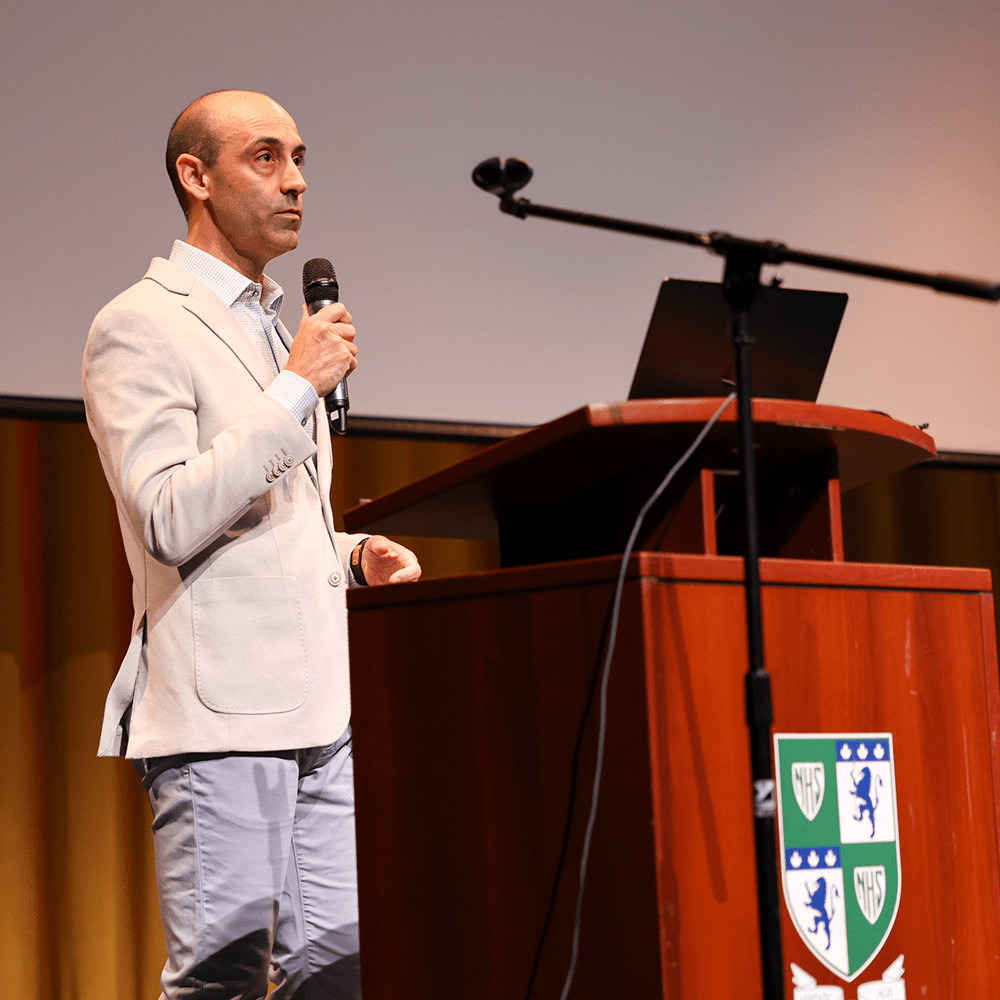
Continuing Education – Teachers and Parents Learn about ADHD
When parents and teachers work together as partners with respect to the education of their students; aligned in their...